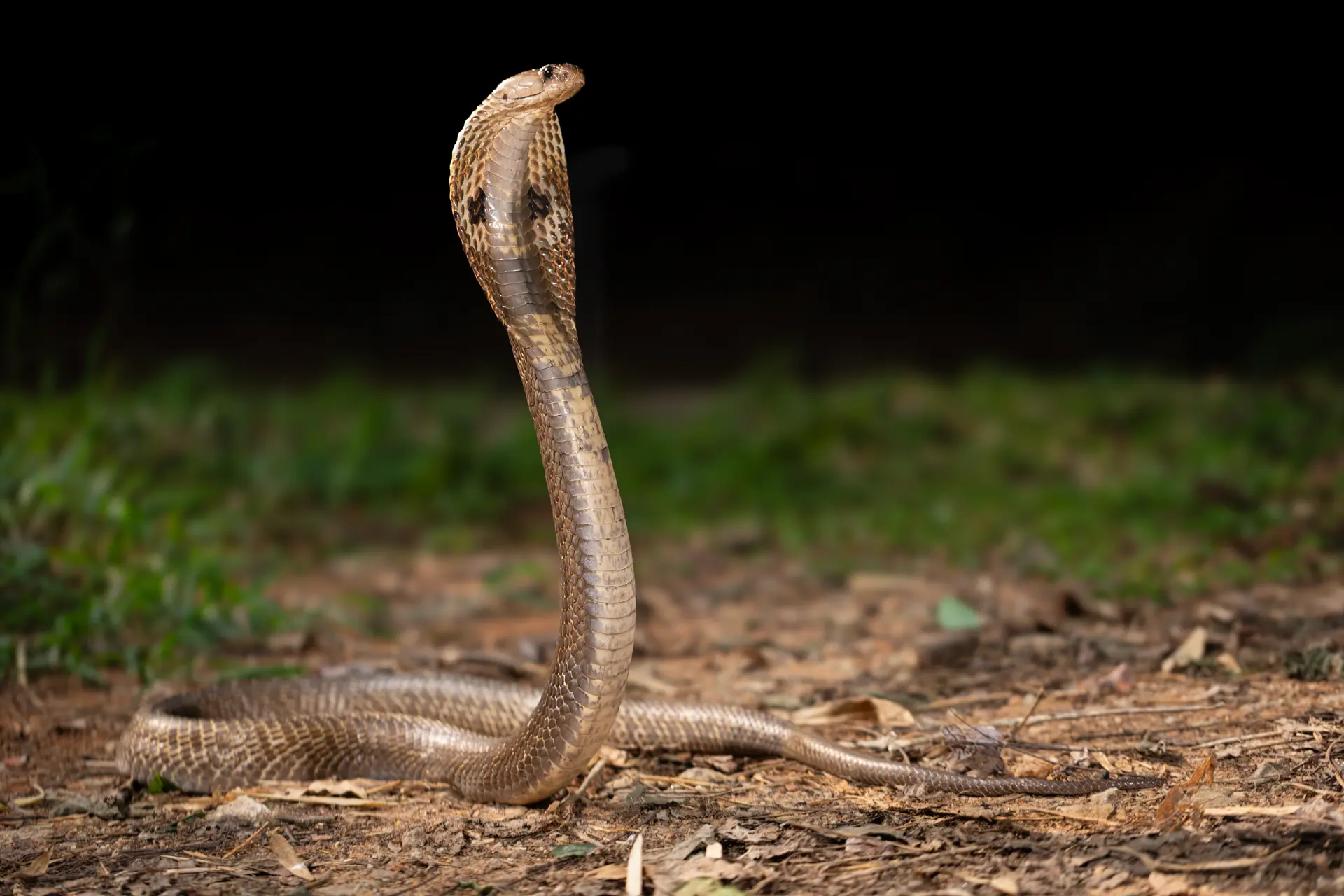
An innovation challenge for university students to solve India's deadliest neglected crisis — snakebite envenoming.
India loses 60,000 lives to venomous snakebites each year. For reference, that is more than HIV/AIDS.
Snakebites occur mostly in rural villages. Since most victims have limited resources, treatment has often been inaccessible for patients. We need creative, context-relevant solutions.
The Nagathon Innovation Challenge is an opportunity to design creative snakebite solutions. We are looking for interdisciplinary solutions from a range of fields.
No need for background expertise in snakebites! Bring your personal strengths, and join us for the Nagathon orientation on June 27th and 28th to hear about snakebites from some of the nation's leading experts!
The Nagathon innovation competition—a joint initiative by the Global Snakebite Initiative and the Evolutionary Venomics Lab at IISc, Bangalore—invites undergraduate and graduate students of all majors to tackle pressing snakebite challenges. Students can form teams of up to four members and apply under one of three categories: Snakebite Integration, Improving Clinical Outcomes, or Advocacy and Outreach. To be considered, proposals must be deeply rooted in the Indian snakebite context or show broad relevance to global snakebite issues, rather than focusing exclusively on regions like Africa or Latin America.
Choose the challenge area that fits your skills and passion. Interdisciplinary teams are strongly encouraged — the best solutions draw on diverse expertise.
In a global health landscape constrained by limited funding and resources, standalone efforts are difficult to maintain. To be successful, interventions to prevent snakebite deaths and disabilities must be sustainably integrated into existing healthcare and community systems.
Proposals in this category must address one of the following two questions:
Snakebite envenomation disproportionately impacts rural villages and tribal communities. Victims face severe hurdles, including high out-of-pocket treatment costs and perilous, time-consuming journeys to medical facilities, which tragically result in many patients dying before they even reach a hospital.
Proposals in this category must address one of the following four questions:
Despite its devastating global impact, snakebite envenomation (SBE) remains severely underfunded and underrecognized. Because it primarily afflicts the rural poor, victims often lack the resources and platforms needed to advocate for better care. As a result, many policymakers, stakeholders, and charitable funders remain unaware of the immense toll snakebites take on vulnerable populations.
Proposals in this category must address one of the following two questions:
Mark these dates in your calendar. Proposals can be submitted as a 750-word written pitch or a 5-minute video.
Form your team and sign up for Nagathon. Registration is open to Bangalore-based university students across all disciplines.
Join the orientation sessions on June 27 and 28 to understand the challenge, ask questions, and prepare your proposal.
Submit a 750-word written pitch or a 5-minute video outlining your solution and chosen track.
Five finalist teams are selected and notified. Finalists move on to the last round and prepare for the in-person finale.
Present live at IISc on Sunday, August 16, followed by the winner’s banquet and final celebration.
A crash course on snakebite envenoming. Each session is a 15-minute presentation followed by 5 minutes for questions.
Please review the following information carefully before registering your team.
Yes. Teams retain intellectual property rights to their ideas. Nagathon staff can offer general guidance and mentorship after the event on protecting intellectual property. Our hope, however, is that strong ideas will move beyond the competition and toward implementation. If your team decides to patent an idea, we encourage you to actively pursue its development and real-world application.
Yes, as long as you are actively registered for classes
In the past 10 years, a number of new therapeutics for snakebite treatment have entered the development phase. Many of these therapeutics have shown positive results in the lab. However, given that SBE is a disease of the poor, funding for clinical trials is incredibly scarce. If you propose a novel therapeutic, specify your plan for financing this project until it reaches patients.
While applications are relatively common “hackathon” outputs, it is difficult for mobile applications to reach target audiences without large investments into marketing and training. Especially in rural areas, most people will not think to download an app “just in case” an unexpected event occurs. If you develop a mobile application, be sure to specify the user base and their incentives for using the app.
Top innovations are generously rewarded — plus every finalist receives mentorship, media exposure, and a platform to grow their idea.
For the most innovative, scalable, and impactful solution to the snakebite crisis.
Recognizing excellence in research, design, or community-based approaches.
Celebrating the third-best team and their contribution to the challenge.
Earn up to ₹1 Lakh INR for your team — one of the highest student hackathon prizes in Bangalore for a social innovation challenge.
Tailored guidance from world-class experts including Chloe Vasquez and Prof. Kartik Sunagar.
Winning solutions will be featured in local news outlets and our partner networks.
Connect with the Global Snakebite Initiative's worldwide community of researchers and advocates.
The best proposals may receive support to pilot or expand their solutions in real-world settings.
Nagathon is a joint initiative bringing together global expertise in snakebite advocacy and world-class venom research.
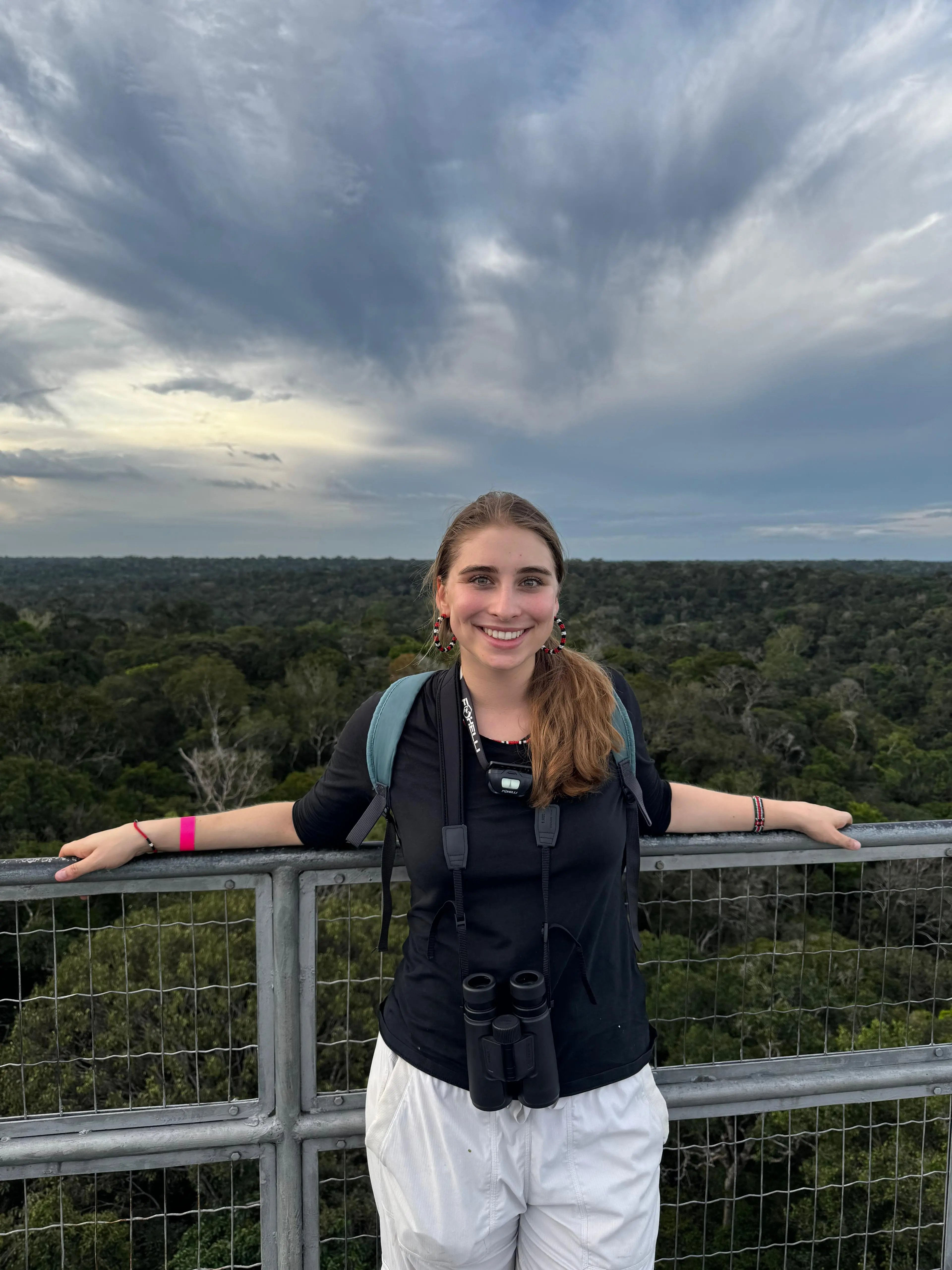
Chloe brings years of experience in global health advocacy and health economics, focusing on neglected tropical diseases. She works tirelessly to bridge the gap between policymakers and on-the-ground interventions for snakebite envenoming.
Prof. Sunagar leads pioneering research in venom evolution and antivenom efficacy. His lab at IISc is at the forefront of developing next-generation, broadly neutralizing antivenoms for India's deadliest snakes.
Questions about eligibility, tracks, or the submission process? Reach out to our organising team — we're here to help you build the strongest possible proposal.
Submit your details below and our organising team will follow up with the next steps.
Click the button below to fill out the official Nagathon 2026 registration form.
Open Registration Form →